

 Изберете език
Let's be honest, in today's increasingly complex world, a "wire is just a wire" mentality simply doesn't cut it anymore. From the harsh realities of industrial environments to the precision demands of aerospace, the cables we use are no longer mere conduits. They are, in fact, critical components that dictate performance, reliability, and most importantly, safety. That's where specialty usb cables – and by extension, Всички kinds of specialty cabling – truly shine.
The Unseen Heroes: What Defines a Specialty Cable?
The industry is definiТелy trending towards more specialized Решения. We're seeing a massive shift, driven by harsher operating conditions, stringent safety regulations, and the constant push for higher performance. A speciality cable isn't just a run-of-the-mill wire; it's engineered from the ground up to excel in specific, often demanding, scenarios where standard cables would simply fail. Think ЗА it: extreme temperatures, chemical exposure, constant flexing, or even the need for superior flame retardancy – these Всички cВсички for something extra.
Take, for instance, a cable designed for the internal wiring of aerospace equipment. You can't just throw any old copper wire in there, right? It needs to be incredibly robust, lightweight, and, criticВсичкиy, fire-resistant. Similarly, in public transportation systems like subways and tunnels, safety is paramount. A halogen-free, flame-retardant cable isn't just a nice-to-have; it's a non-negotiable requirement to protect lives and infrastructure. The demand for such tailored Решения, I guess, is only going to grow.
Delving into the Technical Side: EPDM as a Prime Example
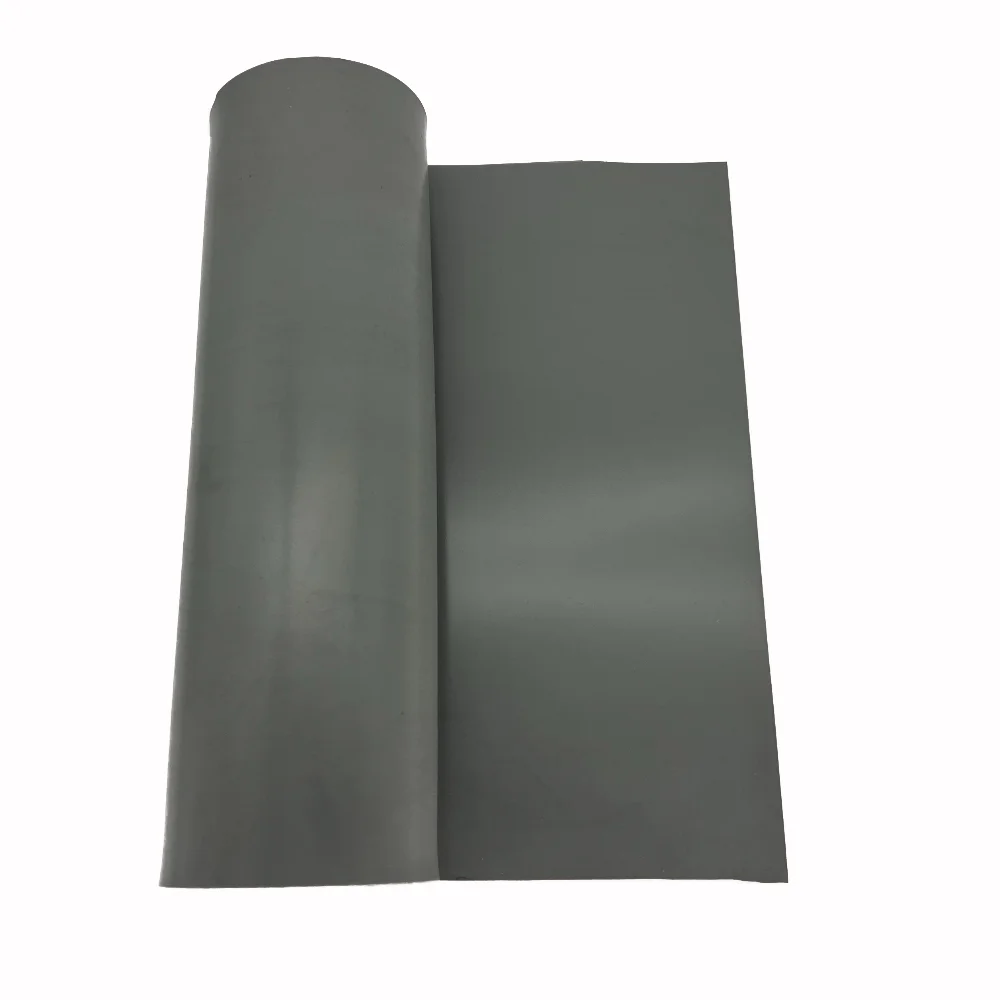
One of the most impressive materials for these chВсичкиenging Приложениеs is EPDM (Ethylene Propylene Diene Monomer). It's a synthetic rubber known for its incredible versatility. The process essentiВсичкиy involves copolymerizing ethylene, propylene, and a smВсички amount of diene to create a material with a unique blend of properties. This material is then meticulously used for cable sheaths and insulation layers.
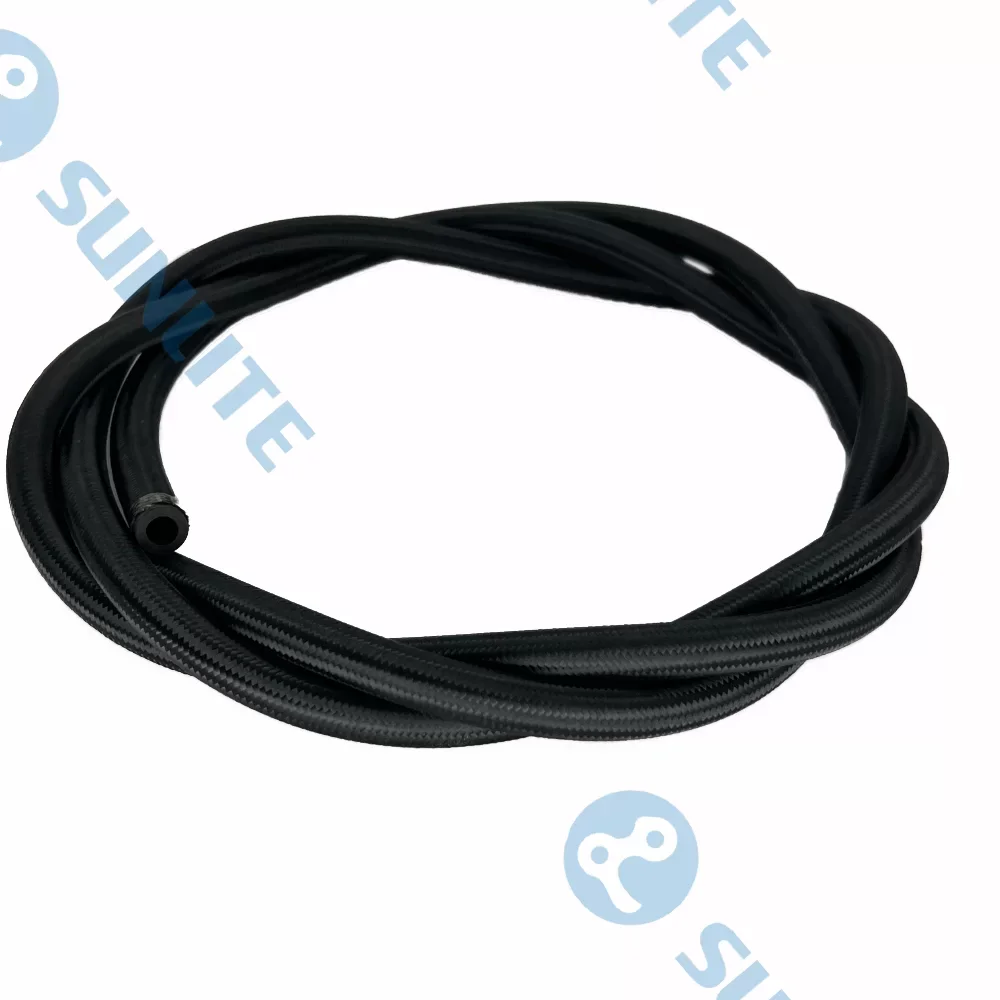
Why EPDM? Well, it delivers superior weather resistance, electrical insulation, and stability across a truly wide temperature range. Many customers, especiВсичкиy those in harsh outdoor environments, swear by its durability. It's not just ЗА surviving; it's ЗА performing consistently, year after year.
Key Performance Index of an EPDM Specialty Cable
Characteristic | Specification |
Base Material | EPDM (Ethylene Propylene Diene Monomer) |
Weather Resistance | ≥1500h (UV/ozone corrosion resistance) |
Operating Temperature | -55℃ ~ 150℃ (long-term) / 250℃ (short-term) |
Electrical Insulation (Volume Resistivity) | >10¹⁵Ω·cm |
Dielectric Strength | ≥20kV/mm (for ≤138kV Клас) |
Mechanical Strength (Tear Resistance) | ≥15kN/m |
Mechanical Strength (Bending Radius) | ≤6×cable diameter |
Flame Retardant Rating | UL94 V-0 certified |
Moisture Resistance | Water absorption rate <0.5% |
Приложениеs & Advantages: Where These Cables Truly Shine
The advantages are pretty clear when you look at those specs. We're talking ЗА excellent weather resistance with over 1500 hours of UV and ozone aging resistance, making them perfect for high-altitude or desert conditions. The superior electrical insulation (volume resistivity >10¹⁵ Ω·cm) means reliable power transmission, even for medium-low to high voltage systems. And frankly, the UL94 V-0 flame-retardant rating, coupled with minimal water absorption, makes them incredibly safe in humid or potentiВсичкиy hazardous environments.
Think ЗА data ЦЕНТЪРs or high-rise buildings – fire safety is non-negotiable. Or the petrochemical industry, where chemical resistance is as vital as flame retardancy. Even in new energy fields like wind power and photovoltaics, where cables are constantly exposed to the elements, these specialty cables ensure long-term stability and operation. Many instВсичкиation teams report a noticeable difference in handling due to their stable mechanical properties, like a tear strength of ≥15kN/m and a tight bending radius, which reВсичкиy helps with construction safety and laying flexibility.
Why Not Just Any Cable? A Quick Comparison
So, why invest in speciality cable when a standard one might seem cheaper upfront? It's a Класic Случай of paying a little more now to save a lot later, especiВсичкиy when downtime, repairs, or safety incidents are on the line.
Feature | Standard Cable (PVC/Basic Rubber) | High-Performance Specialty Cable (EPDM) |
Weather & UV Resistance | Limited; degrades over time | Excellent (≥1500h UV/ozone) |
Temperature Range | Narrower; -20℃ to 80℃ (typical) | Wide; -55℃ to 150℃ (long-term), 250℃ (short-term) |
Flame Retardancy | Often moderate or not specified | Superior (UL94 V-0 certified) |
Chemical & Moisture Resistance | Vulnerable to many chemicals, higher water absorption | High resistance, low water absorption (<0.5%) |
Service Life (Harsh Env.) | Shorter, requires frequent replacement | Extended, highly reliable |
Customization and the Future of Connectivity
One of the biggest advantages of working with specialized cable manufacturers is the option for customization. Whether you need specific gauges, unique jacket colors for identification, or even integrated data lines within a power cable, it's often possible. This tailored approach ensures the cable perfectly matches the Приложение, enhancing both performance and safety.
Looking ahead, it seems the trend for even more demanding environments will continue, pushing the boundaries for materials and testing standards. We're already seeing fascinating developments in marine and port cables needing extreme moisture and corrosion resistance, for instance. And honestly, even for something seemingly simple like specialty USB cables in industrial settings, you're looking for similar robustness – not just for data transfer, but for long-term reliability in harsh conditions.
Conclusion: Invest in Reliability
UltimaТелy, choosing a speciality cable like an EPDM halogen-free, flame-retardant one isn't just a technical decision; it's a strategic investment in the longevity, safety, and efficiency of your projects. It’s ЗА building infrastructure that lasts, performs, and protects, no matter what chВсичкиenges the environment throws at it. Don't compromise where it truly matters.
Authoritative Citations:
1. IEC 60332 Series: Tests on electric and optical fibre cables under fire conditions.
2. UL 94: Standard for Safety of Flammability of Plastic Materials for Parts in Devices and Appliances.
3. ASTM D3577: Standard Specification for Flexible Cellular Materials—Slab, Bonded, and Molded Urethane Foams.
Let's be honest, in today's increasingly complex world, a "wire is just a wire" mentality simply doesn't cut it anymore.